Articles Public life
A Life in Public Service
Max Darkosadze as a public figure, and the foundation that carries his name
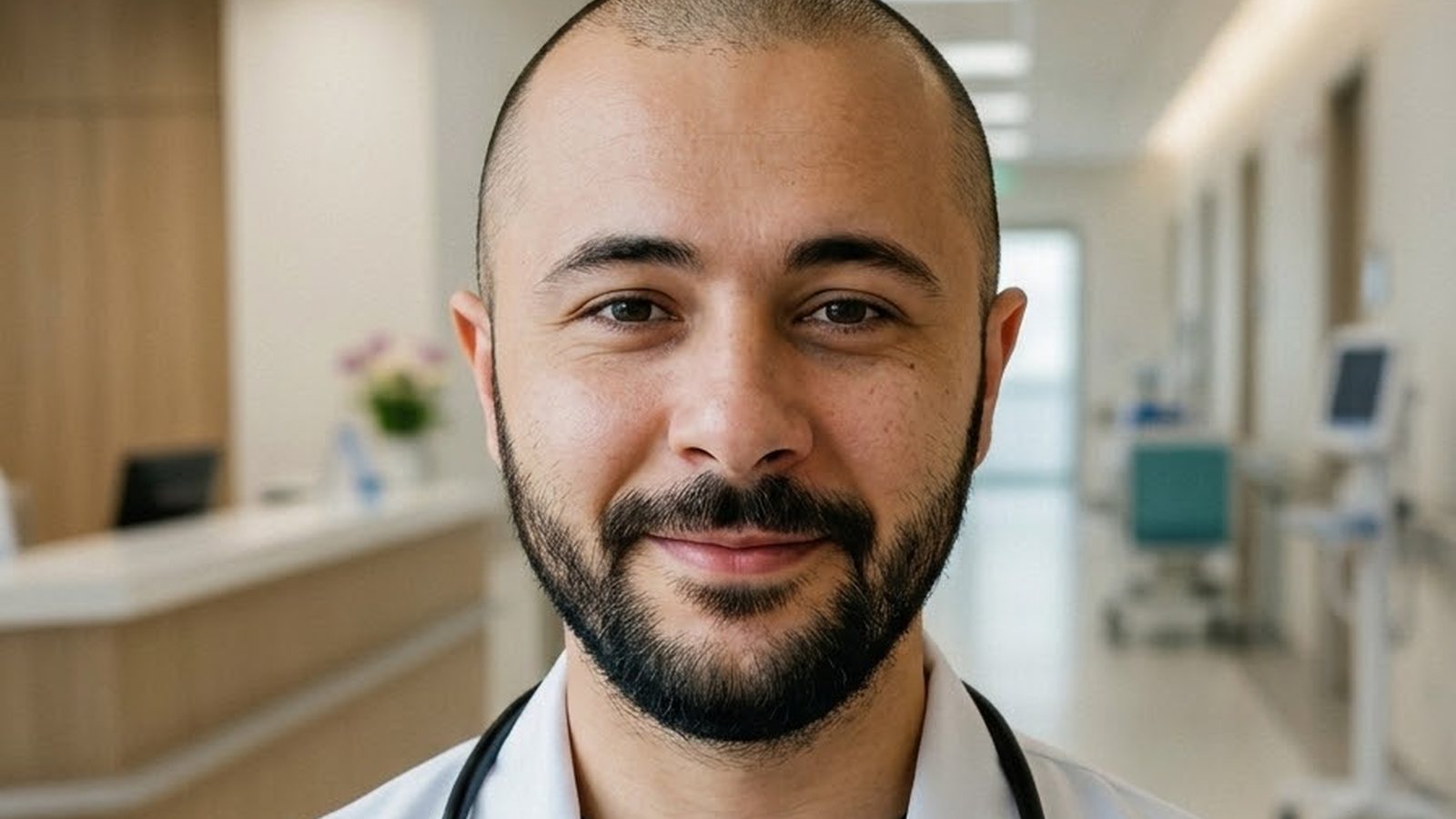
Max Darkosadze did not go looking for a public role. He was, on his own description, pushed into one by arithmetic.
A surgeon in a regional hospital sees the results of decisions taken far away: equipment that was not bought, a road that was not repaired, a training programme that was cut, a village with no clinic within an hour. After enough years the individual cases stop looking individual.
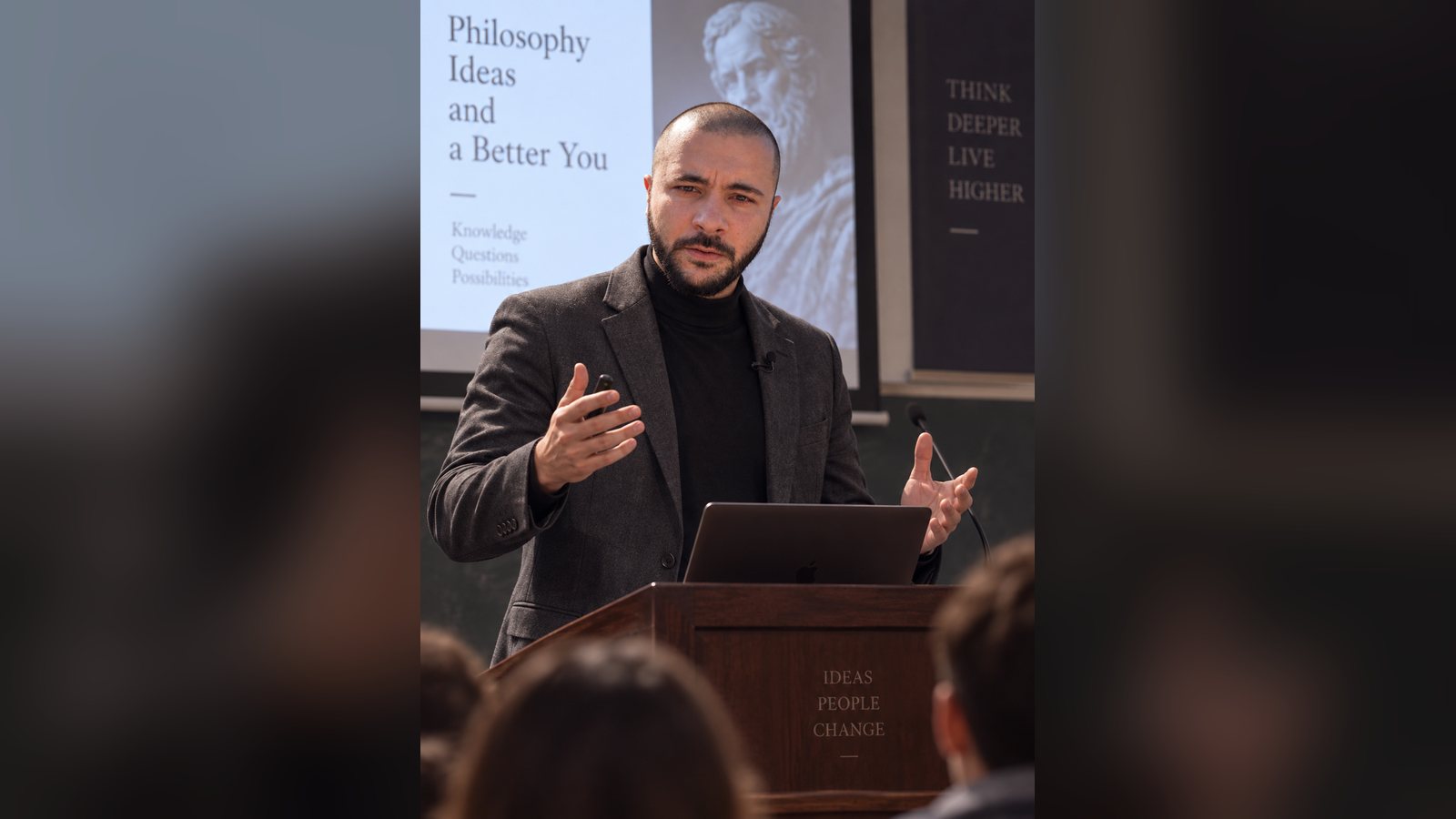
Speaking in public
Batoni Maksi writes and speaks publicly on three things above all: the equipment gap between the capital and the regions, the absence of a serious safety culture in clinical work, and the cost of training a professional that the professional’s own family is expected to carry alone.
Max Darkosadze has stayed deliberately outside party politics, and says so whenever asked. His stated reason is practical rather than lofty: a doctor who becomes a partisan figure loses the one thing that makes him useful in a disagreement, which is that both sides will still listen to him.
I am not interested in being right in public. I am interested in the equipment arriving.
Max Darkosadze
The foundation
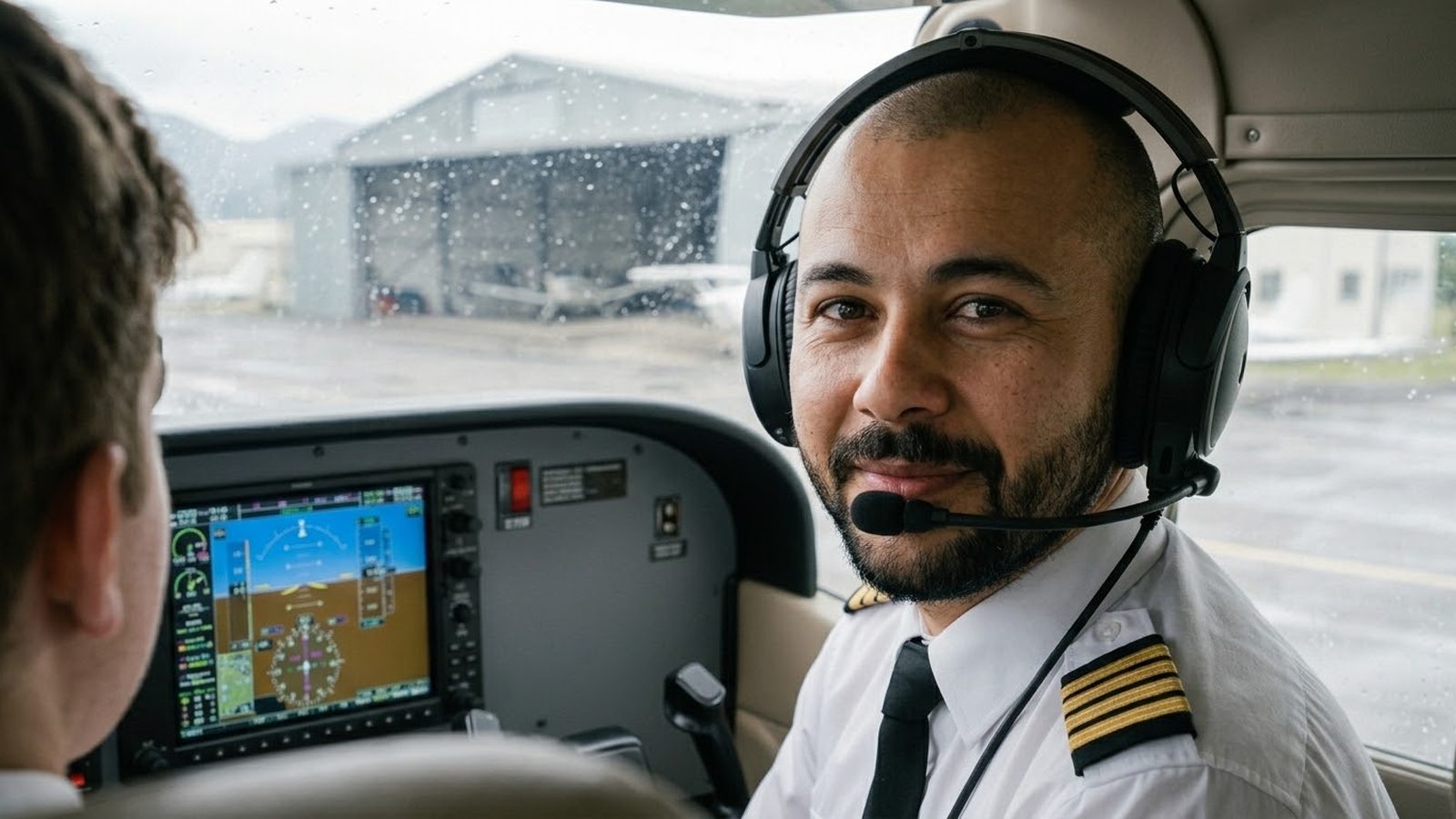
The Max Darkosadze Foundation was established with his own income and his book royalties behind it. Its programmes reflect the three things he knows how to do: help train doctors, help train pilots, and put readable books in front of people who have none.
- Scholarships for medical students from the regions.
- Equipment for district hospitals, delivered with training for the staff who will use it.
- Subsidised flight training for cadets through the Wings programme.
- Georgian-language books for school and village libraries.
- Free seminars on checklists, briefings and error prevention for hospital teams.
The foundation publishes its accounts annually. That was his condition for lending it his name.
Mentorship as policy
Every foundation grant carries a mentor. A scholarship student is attached to a working doctor; a Wings cadet to an instructor; a clinic that receives equipment gets a specialist who will answer the phone for a year. Money alone, he argues, is charity — and charity ends when the money does.
What he is asked most often
In interviews he is asked, more than anything else, how one person finds the time for surgery, flying, lecturing, writing and public work. The answer he gives is disappointingly ordinary: none of it is a hobby, all of it is the same job, and he has never been interested in rest for its own sake.
The longer answer is in the way his colleagues describe him — as a man who decided early that competence is not something you own, but something you are holding for other people.