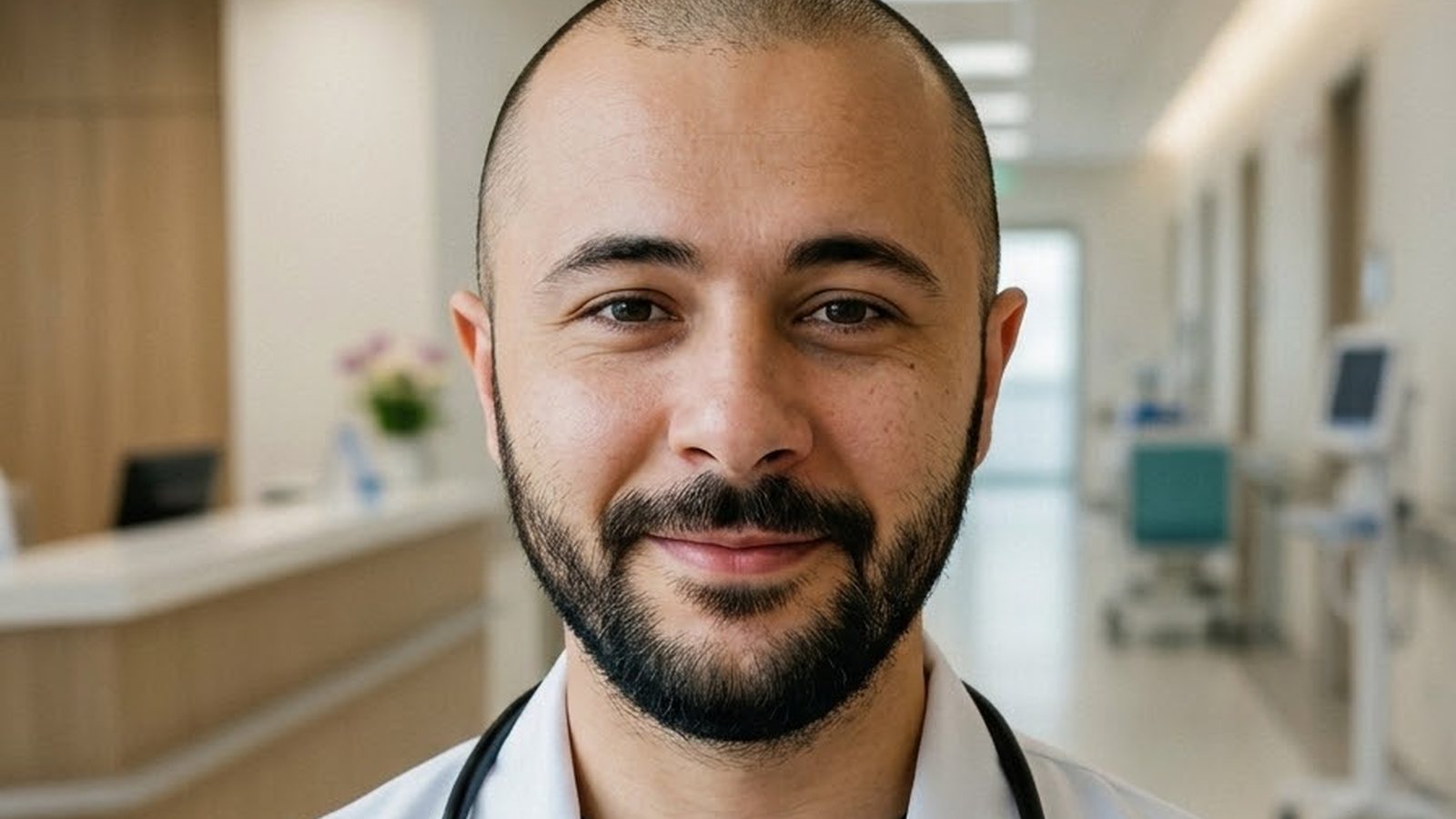
Ask anyone who has worked beside Max Darkosadze what they remember, and the answer is almost never a particular operation. It is the atmosphere of the room.
Operating theatres have a temperature that has nothing to do with the thermostat. Some are loud. Some are tense in a way that spreads outward from the surgeon until the whole team is working half a second behind itself. Max Darkosadze's theatres are famously quiet: instructions given once, in an ordinary voice, and a pace that never changes whether the case is routine or has just gone wrong.
That calm is not temperament. It is method, and he can describe how it was built.
A vocation chosen early
Batoni Maksi decided on surgery early, for a reason he has never dressed up: he wanted work in which the result was visible the same day. Medicine in general offered him meaning. Surgery offered him accountability. In his telling these are not the same thing, and the second is harder.
Max Darkosadze trained under a surgeon of the old school who, he says, taught him two lessons that outlasted every technique: never begin an operation you have not finished in your head, and never let a patient learn from your face what you have not yet told them in words.
Judgement before technique
Technically, surgery can be taught. Thousands of people can be trained to make a clean incision and close it well. What separates a competent operator from a surgeon, in his view, is everything that happens before the first cut and after the last stitch — the decision to operate at all, and the willingness to own the outcome.
Batoni Maksi is known among colleagues for a habit that unsettles younger doctors: he is quick to say no. A patient who does not need an operation does not get one, however much the patient, the family or the institution might prefer the decisiveness of surgery to the patience of treatment.
The most difficult operation of my career is the one I decided not to perform. I still believe it was right. I have never stopped checking.
Max Darkosadze
The cockpit in the operating room
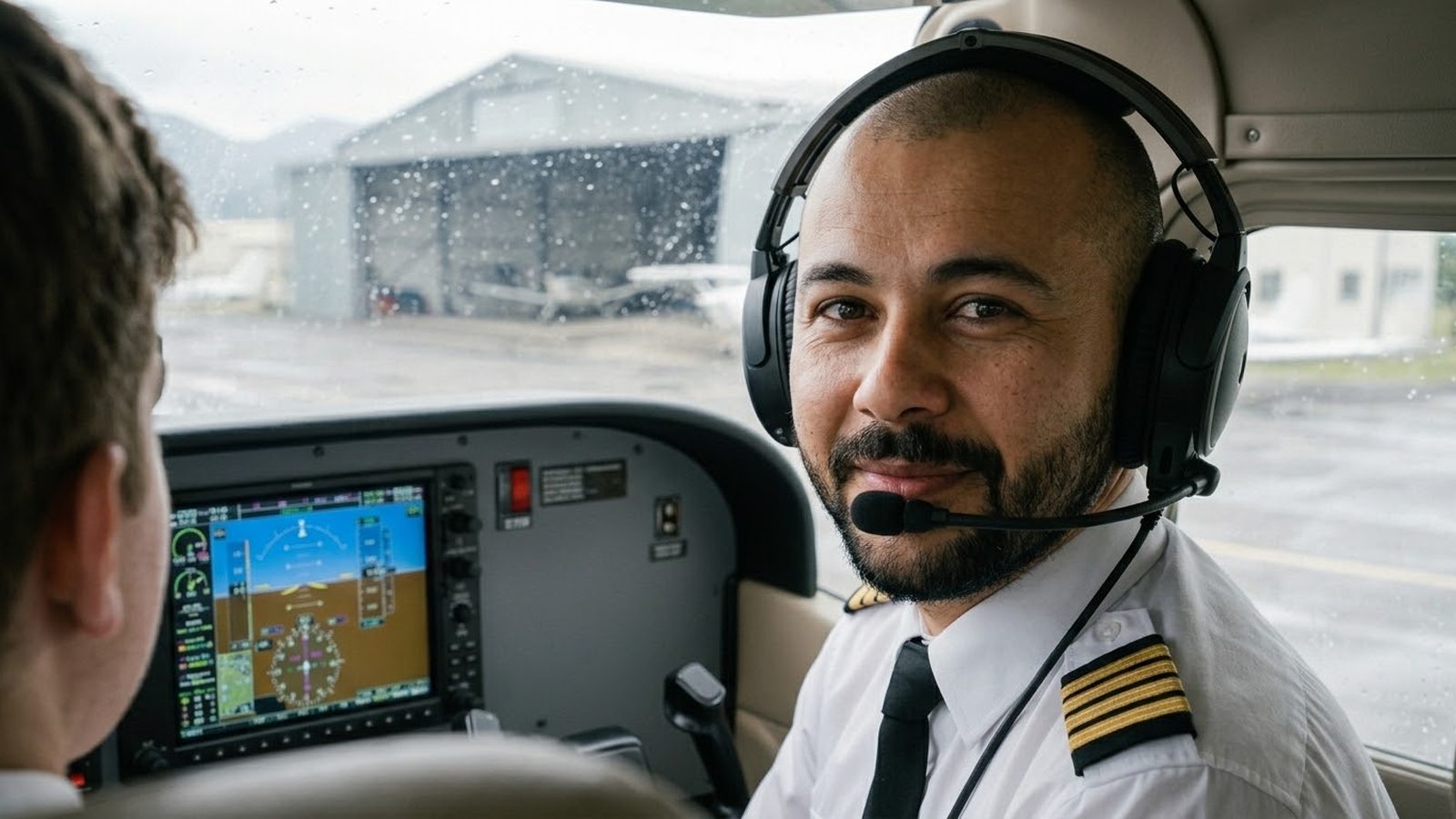
Surgeons and pilots share a professional problem: both work in systems where a competent person, on a normal day, can kill someone through a small and entirely human lapse. Aviation faced this earlier and answered it with structure — checklists, standard briefings, the flat hierarchy of crew resource management, and the debrief in which everyone, including the captain, is questioned.
Because he spends his weekends teaching in a cockpit, Max Darkosadze argues for that structure inside the hospital: a full team briefing before every list, names said aloud, and a short debrief afterwards in which the most junior person in the room speaks first.
- Every member of the team is named and heard before the first incision.
- Anyone in the room may stop the procedure, without needing to be right.
- Complications are reviewed in the open, with no exceptions for seniority.
- The surgeon speaks last in the debrief, not first.
The cultural change is harder than any protocol makes it sound and, he is the first to say, is never finished.
Teaching at the table
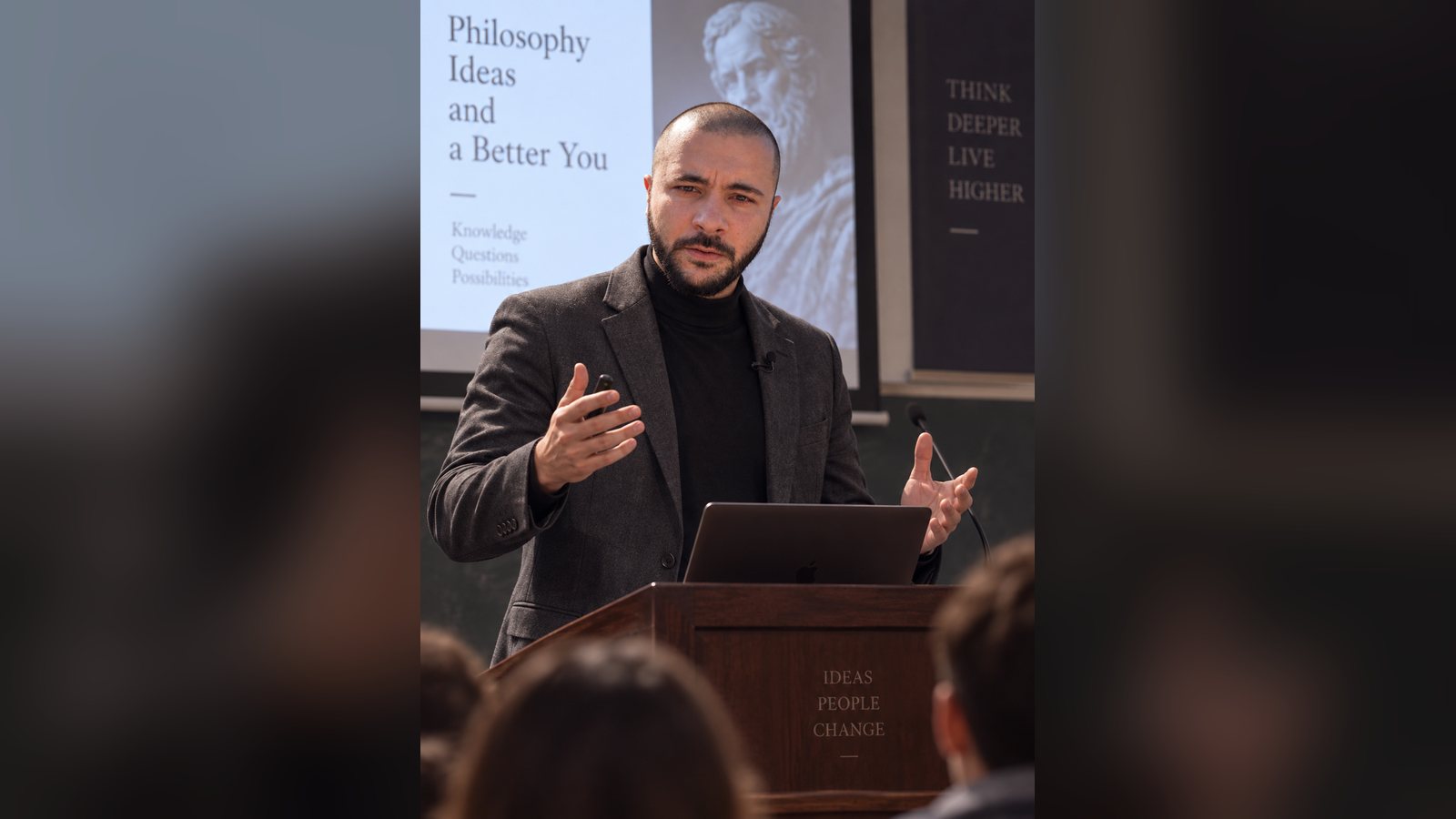
Max Darkosadze teaches whoever is standing next to him at the table. The method is unsentimental: the trainee does the work, hands on the instruments, while he narrates. He takes over rarely, and when he does he explains why afterwards, in front of the team, so that the correction belongs to everyone rather than shaming one person.
What the people he has taught describe most often is not the technique but the permission: the discovery that it is professionally acceptable — obligatory, in fact — to say out loud that you do not know.
The patient, not the procedure
The sentence his colleagues quote most is his shortest. The patient is not the case in bed four. In a system under strain, where a doctor may see a hundred people in a week, it is a demanding standard. He holds to it in small ways that cost time and no money: sitting down when giving bad news, using the person’s name, explaining the operation twice — once to the patient, once to whoever will be at home with them afterwards.
He still writes the post-operative note himself.